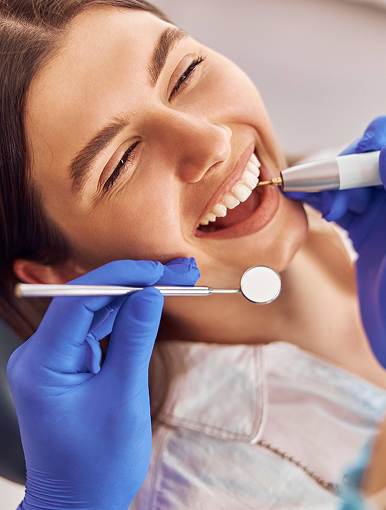
The Future of Dentistry is Digital: How CAD/CAM & 3D Scanning Transform Your Smile
Remember the sticky trays and impression paste? It used to be a common reason why many people felt anxious about dental work.
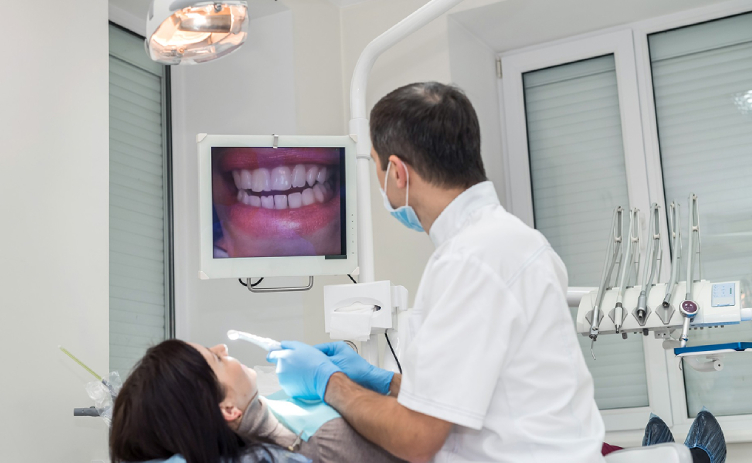
What Is CAD/CAM Dentistry?
CAD/CAM (Computer-Aided Design and Computer-Aided Manufacturing) is the technology that dentists use to design (and create) restorations like crowns, veneers, and inlays with incredible precision.
Benefits of CAD/CAM Dentistry
- Restorations are designed with precision for a better fit.
- Natural-looking ceramic materials closely match real teeth.
- Faster turnaround compared to traditional methods.
- Reduces the need for temporary crowns and multiple visits.
What Is 3D Intraoral Scanning?
A 3D intraoral scanner is a handheld device that captures a detailed digital map of your teeth and gums. No sticky impression paste, no discomfort. Just a quick, precise scan that produces a virtual 3D model of your mouth.
Advantages of Digital Scanning in Dentistry
- Greater comfort, especially for children and patients with sensitive gag reflexes.
- High accuracy of intraoral scanners means fewer errors and adjustments.
- Quick results that speed up treatments like crowns, implants, or aligners.
- Digital records can be stored and compared over time to track oral health changes.
The Nava Digital Workflow: What to Expect?
Consultation & Scan
We begin with a discussion of your goals and a quick 3D scan of your teeth.
Digital Planning
Your dentist designs a customized treatment plan and may show you a preview of the result.
Fabrication
The design is sent to the lab, where your restoration is made with precision.
Fitting & Adjustments
The restoration is placed, checked for comfort and appearance, and adjusted as needed, often in a single visit.
Follow-Up
Stored digital records make future checkups quicker and help us monitor changes over time.
Throughout each step, our focus is on clear communication and gentle, stress-free care.
👉 Experience a calm and comforting dental care session.
How Digital Dentistry Improves Dental Treatments?
Digital dental solutions are not just for complex cases; they are part of everyday care.
The combination of CAD/CAM and 3D scanning creates a smooth digital workflow.
- The scanner captures your mouth in detail
- The dentist designs the restoration digitally, and
- The system fabricates it with precision
This integration into routine dentistry means more patients benefit from modern technology without even realizing it.
The result?
- Better-fitting crowns, veneers, and bridges.
- More predictable outcomes for implants and aligners.
- Shorter treatment times and fewer appointments.
- Enhanced patient comfort at every stage.
How Digital Dentistry Makes Oral Healthcare Better?
Restorative Care
Same-day restorations with perfect fit and aesthetics.
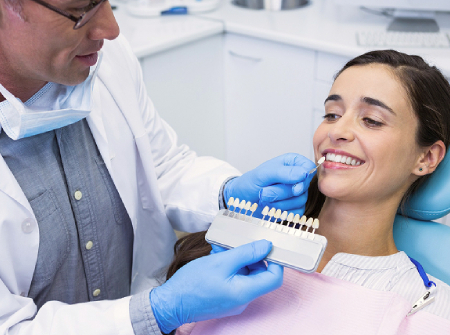
Dental Implants
Precise planning and placement guided by digital scans.
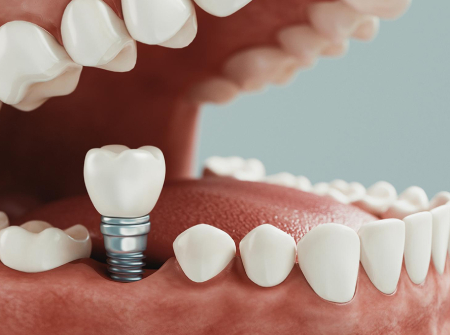
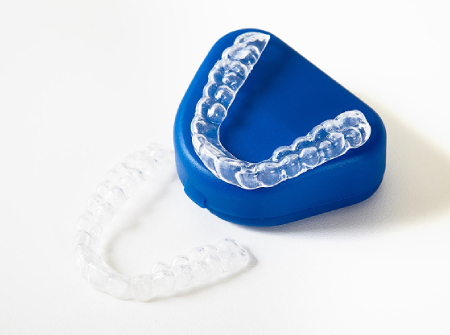
Clear Aligners
Accurate impressions for Invisalign and other aligner treatments.
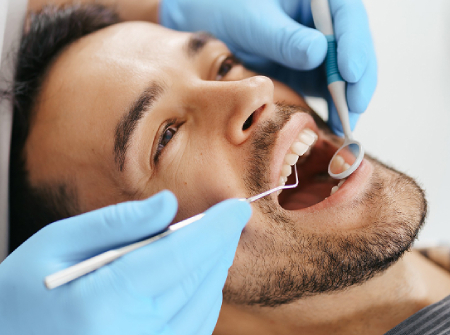
Preventive Care
Monitoring changes in teeth and gums with stored digital records.
Why Patients Love Digitalisation of Dental Care?
Digital dentistry is less about futuristic machines and more about everyday improvements to patient care. With CAD/CAM dentistry and 3D intraoral scanning, dentists can offer treatments that are faster, more precise, and far more comfortable than traditional methods.
For patients, it means fewer appointments, less discomfort, and restorations that feel natural. In other words, it’s a step forward in making dental visits stress-free and personalised.