What to Expect During a Preventive Dental Care Visit?
When was the last time you saw the dentist? If you're like most people, it was probably when something felt wrong.
What Is Preventive Dental Care
How does Preventive Dentistry help?
- Cavities are easier (and far cheaper) to treat when caught early.
- Gum disease can be reversed in its early stages.
- Cleanings remove plaque and tartar that brushing can’t.
- Regular checkups reduce your risk of dental emergencies.
- Oral health supports your overall wellness, including heart and gut health.
Preventive dental care is considered the foundation of long-term oral health and is recommended worldwide by leading dental health authorities.
International clinical guidelines consistently support regular preventive visits as an effective way to detect early changes, maintain gum health, and reduce the risk of dental disease.
What Happens During a Preventive Dental Visit
Step 1: A Warm Welcome & a Simple Conversation
Your visit often starts with a relaxed discussion about:
- Any sensitivity or changes you’ve noticed
- Your dental hygiene routine
- Lifestyle habits such as diet, stress, or grinding
- Any specific concerns you want checked
Step 2: Oral Examination
Your dentist gently examines your teeth, gums, and mouth to look for:
- Early signs of tooth decay
- Gum inflammation or bleeding
- Enamel wear or cracks
- Bite alignment issues
- Changes in soft tissues (part of routine oral cancer screening)
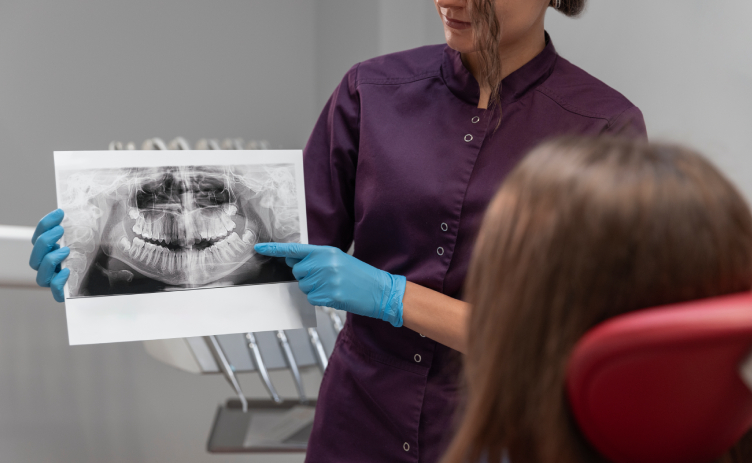
Step 3: Dental X-Rays (If Needed)
Digital dental X-rays may be recommended to detect issues that aren’t visible, such as:
- Hidden cavities
- Infections
- Bone-level changes
- Impacted teeth
Step 4: Professional Dental Cleaning
The main job of your smile specialist (your dentist) is to help reduce the risks of dental and oral issues, such as gum diseases, bad breath, and yellow teeth.
A dental cleaning and checkup helps maintain oral hygiene by including:
- Plaque removal
- Tartar removal (the hardened deposits that brushing can’t remove)
- Polishing to smooth the teeth
- A thorough flossing to complete the cleaning
Step 5: Preventive Treatments (When Recommended)
Depending on your oral health, your dentist may suggest:
Fluoride Treatment : Strengthens enamel and helps prevent future cavities.
Dental Sealants : A thin protective layer applied to back teeth to reduce cavity risk, often recommended for children and cavity-prone adults.
Oral Hygiene Guidance
Personalized recommendations based on your dental checkup, including:
- Proper brushing technique
- Flossing habits
- Which products to use
- Diet adjustments to support oral health
Benefits of Regular Dental Checkups
Catch Problems Early : Preventive dental checkups can detect early decay, gum irritation, or enamel wear before they cause discomfort.
Healthier Gums : Healthy gums are essential for strong teeth. Cleanings reduce inflammation, bleeding, and early gum disease.
A Deeper Clean : Tartar cannot be removed at home. Professional dental cleaning helps maintain oral hygiene between visits.
Lower Long-Term Costs : Treating small issues early is far more affordable than managing complications later.
Early Insight Into Hidden Issues : Digital X-rays or scans (when needed) help monitor underlying structures.
Support for Holistic Health : Lower oral inflammation supports heart health, gut health, and diabetes control.
How Often Should You Have a Preventive Visit?
Most adults benefit from a preventive dental visit every six months. This frequency helps maintain clean teeth, healthy gums, and early detection.
You may need a preventive visit every 3-4 months if you:
- Have gum disease
- Have diabetes
- Smoke or vape
- Wear aligners or braces.
- Experience dry mouth
- Tend to get cavities easily.
- Are pregnant
Your dentist will recommend a routine based on your oral health status, lifestyle, and risk factors.
Frequent Dentist Visit = Long Term Benefits
Preventive dentistry is staying one step ahead of dental and oral health problems. By catching and treating the issues early, you get strong teeth, healthy gums, and a timeless smile. With routine checkups, gentle cleanings, and clear insights from tools like digital X-rays and 3D scans, you always know where your oral health stands.
As your dentists and smile architects, we recommend that you ensure regular visits to your dentist and stay ahead of your oral health problems.
When you’re due for your next checkup, a simple routine visit can help keep everything on track.