Cosmetic Teeth Whitening: How to Make Your Results Last?
Clean white teeth are a great boost of confidence that makes you feel truly like you.
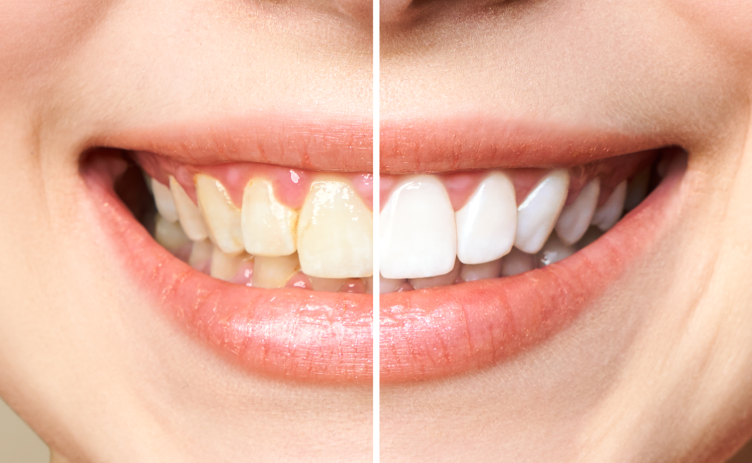
But life happens. Your morning coffee, a glass of red wine, or that rich pasta sauce… they all love to leave their mark.
The good news? You don’t give up everything you love to eat to keep your smile radiant after your teeth whitening treatment.
A few simple precautions and some smart, strategic habits are all you need.
It’s about a few simple, smart habits that protect your investment and keep your smile bright for the long haul.
Here’s how to protect your whitening results and maintain a radiant smile every day.
1. Sip Smart on Stain-Causing Drinks
We’re not here to tell you to quit coffee or tea.
Instead, let’s be strategic. When you enjoy dark beverages like coffee, red wine, or cola, try using a straw.
It’s a simple trick that helps bypass your front teeth.
And when you’re done, a quick swish with water can wash away those pigments before they settle in.
Some foods and beverages cling to enamel and leave behind pigments that darken teeth.
Common stain-causing foods and beverages
- Coffee
- Tea
- Red wine
- Dark berries
- Tomato-based sauces
- Soy sauce
- Cola and coloured
- fizzy drinks
How to consume them?
- Consume them in moderation; no need to eliminate them from your routine.
- Rinse your mouth with water after consuming them to minimise staining.
2. Keep a Consistent Dental Hygiene Routine
A bright smile begins with healthy teeth and gums. A strong dental hygiene routine helps remove early stains before they set in.
Daily habits that support long-term whitening results:
- Brush twice a day with a fluoride toothpaste.
- Floss daily to evict plaque from those tight spaces between your teeth.
- Consider a whitening toothpaste once or twice a week for maintenance, but don’t overdo it, as daily use can be abrasive.
Staying consistent prevents plaque from turning into stubborn discolouration.
3. Don’t Skip Your Regular Dental Check-Ups
Think of your dentist as your smile’s best friend. Even with perfect brushing, plaque can harden into tartar, a rough substance that stains easily.
Tartar buildup holds stains, making teeth appear darker even if the enamel underneath is still bright.
Your hygienist has the tools to gently remove this buildup, revealing the brighter enamel underneath.
A cleaning every six months, or as advised by your dentist, helps maintain the freshness of your whitening treatment and improves overall gum health.
4. Avoid Tobacco for Lasting Whitening Results
Tobacco (including vaping) is one of the fastest ways to cause teeth discolouration. Nicotine and tar settle into enamel and can create deep stains that are difficult to remove.
If long-term smile maintenance is your goal, avoiding tobacco makes a significant difference.
5. Stay Hydrated
If you do one thing, let it be this: drink more water.
Staying hydrated is a superpower for your smile. It helps rinse away food particles, encourages healthy saliva flow, and fights dry mouth.
Make water your go-to drink, especially after meals.
6. Protect Your Enamel from Acid (And Know When to Brush)
This one is simple but super important: Acidic foods and drinks (such as citrus fruits, soda, vinegar-based food, and sports drinks) can soften and wear down your enamel.
When enamel is soft, it’s easier for stains to set in. You don’t have to give these things up! Just be smart about it:
- Rinse Now: After having something acidic, simply swish with water right away. This washes the acid away.
- Brush Later: Here’s the key part: wait about 30 minutes before you brush your teeth.
7. Touch-Up Whitening When Needed
Even with excellent habits, teeth slowly pick up natural stains over time.
A gentle teeth whitening care touch-up, whether at home or professionally guided, can help maintain the shade you’re comfortable with. Touch-up frequency varies depending on diet, habits, and enamel characteristics.
If you’re unsure when to refresh your whitening, your dentist can guide you based on your individual needs.
Bonus Tip: Choose Whitening-Friendly Snacks
Some foods naturally help scrub teeth without causing damage.
Try incorporating:
- Crunchy apples
- Celery
- Carrots
- Pears
These stimulate saliva and gently clean the surface of your teeth.
Understand Natural Colour Changes
As enamel thins with age, the underlying dentin can show through slightly more, giving teeth a naturally darker tone. This is normal and not always a sign of poor dental health.
Ageing is just one part of the smile journey, and good habits help slow down the process.
When to Seek Your Dentist’s Advice?
Sometimes discolouration is not caused by surface stains but by bigger changes, restorations, or enamel conditions.
A dentist can help if:
- You notice sudden discolouration
- One tooth becomes darker than the others.
- Whitening treatments aren’t producing the expected results.
- You experience post-whitening sensitivity.
Professional guidance ensures you’re choosing safe and appropriate options for your enamel.
A Brighter Smile Starts With Simple Daily Choices
Whitening creates a great foundation, but long-term radiance comes from everyday habits. By being mindful of what you consume, sticking to a solid hygiene routine, and partnering with your dentist, you can hold onto that confident, radiant smile for years to come.
If you’re considering whitening or maintaining your results, cosmetic dentistry and teeth whitening services are available through your general dentist in Dubai. For ongoing guidance tailored to your smile, a simple consultation can help you understand the best long-term care approach.