Does a Root Canal Hurt? What Patients Really Experience
Few dental treatments carry as much fear as root canals. The phrase alone makes many patients think of pain, long appointments, or complicated recovery. The reality, however, is very different.
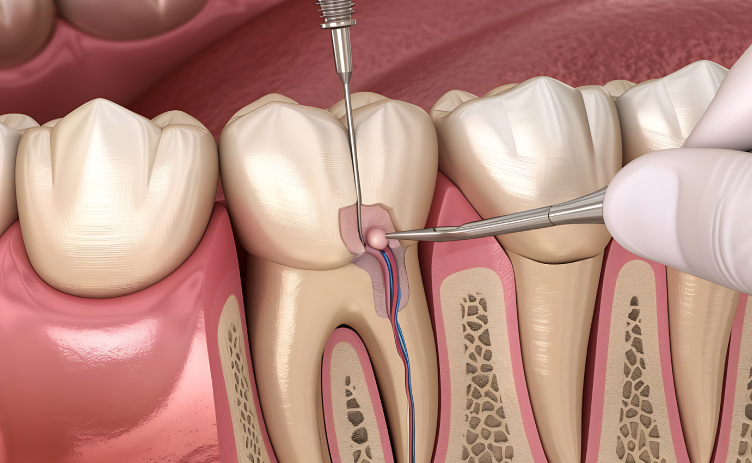
What Should You Know About Root Canal Treatment?
- The infection causes pain, not the procedure – A root canal removes the source of pain.
- Waiting too long increases risks – The longer the infection spreads, the harder it becomes to save the tooth.
- Preserving natural teeth is best – A root canal allows you to keep your own tooth rather than replacing it.
Signs You Might Need a Root Canal
Not every toothache requires a root canal, but some symptoms are strong indicators that the inner tissue of your tooth may be infected. Watch out for:
- Persistent toothache : Throbbing pain that doesn’t go away, especially when chewing.
- Sensitivity to hot or cold : Lingering discomfort even after the stimulus is gone.
- Swollen or tender gums : Inflammation near a single tooth can signal infection.
- Darkening of the tooth : A tooth that appears gray or discolored may have nerve damage.
- Pimple on the gum : A small bump (abscess) that releases pus is a sign of infection.
- Cracked or injured tooth : Trauma can expose the pulp, leading to infection.
👉 Experiencing one of these symptoms? Get a Consultation with Our Smile Specialists
What Happens During a Root Canal?
Every tooth has a soft inner tissue called the pulp, which contains nerves and blood vessels. When this tissue becomes infected, it causes pain and swelling. Root canal treatment carefully removes the infection while preserving the structure of the tooth.
The root canal treatment procedure involves:
- Diagnosis & X-rays : The dentist confirms the infection and plans treatment.
- Numbing the tooth : Local anesthesia ensures you don’t feel pain.
- Cleaning the canals : The infected pulp is gently removed, and the inside of the tooth is disinfected.
- Filling & sealing : Special materials are used to protect the cleaned canals from further infection.
- Final restoration : A crown or filling is placed to restore the tooth’s function and strength.
Note: With modern technology and anesthesia, the process is far more comfortable than most people expect.
Does a Root Canal Hurt? The Honest Answer!
- During the procedure, you won’t feel pain. Modern local anesthesia makes sure the tooth and the surrounding area are completely numb.
- What most patients notice is light pressure or vibration. It’s more like having a filling done than “surgery.”
- After treatment, your tooth is calm. Any mild soreness usually settles within a couple of days, and simple pain relief is enough if needed.
Clearing Up Common Misconceptions About Root Canal
Myth #1: Root canals are painful.
Fact: It’s the infection that hurts. The treatment actually relieves pain.
Myth #2: Extraction is better.
Fact: Nothing replaces the strength of your natural tooth. Saving it is always the first choice.
Myth #3: Root canals take many visits.
Fact: With digital tools, most are completed in one or two appointments.
Myth #4: They don’t last.
Fact: With proper care, a treated tooth can last for decades, often for life.
Why Patients Choose Nava for Root Canal Care
Accurate diagnosis: Digital X-rays and 3D imaging guide every step.
Comfort-focused treatment: Local anesthesia and gentle techniques ensure the process is stress-free.
Efficient appointments: Most treatments take just one or two visits.
Long-term success: Quality materials and precision methods protect the tooth for years to come.
Clear communication: Every stage is explained, so you always know what’s happening.