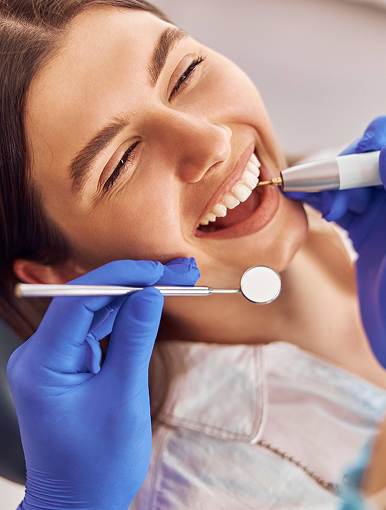
Early Detection Saves Lives: The Importance of Oral Cancer Screening
Most people don’t think about oral cancer until it becomes a serious concern. But the truth is: oral cancer often begins quietly, without pain or obvious symptoms.
By the time visible changes appear, the disease may already be in advanced stages.
This is why early oral cancer screening is a crucial component of preventive dental care. It is quick, non-invasive, and can identify early warning signs before they become dangerous, giving you the best chance at successful treatment and long-term health.
In this guide, we’ll explain why oral cancer screening is important, what happens during a screening, the warning signs to look for, and how regular dental checkups play a crucial role in early detection.
What Is Oral Cancer Screening?
Oral cancer screening is a painless visual and physical examination of your mouth, gums, lips, tongue, cheeks, palate, and throat.
Your dentist checks for anything unusual, such as:
- Persistent sores
- Red or white patches
- Tissue changes
- Lumps or thickened areas
- Tongue abnormalities
- Jaw stiffness
- Difficulty swallowing
Screening takes only a few minutes, but its impact can be life-changing.
Why Early Oral Cancer Detection Matters?
Oral cancer is highly treatable in its early stages. Early diagnosis significantly increases survival rates and reduces the need for aggressive treatment.
Here’s why early detection saves lives:
1. Oral cancer progresses silently
Many early symptoms are painless or easy to overlook, which means the disease may progress without you realising it.
2. Early treatment leads to better outcomes
When detected early, oral cancer has a much higher success rate and a far lower risk of spreading.
3. Pre-cancerous changes can be reversed
Some abnormalities can be removed or treated early—long before they turn into cancer.
4. Regular screenings catch what you can’t see
Some changes occur deep inside the mouth or under the tongue, where self-checks are difficult.
5. A simple dental checkup can detect early warning signs
Your dentist examines your entire oral cavity during routine preventive visits, making oral health screening effortless and effective.
Who Needs Oral Cancer Screening?
Everyone. But certain groups are at higher risk and may need more frequent screenings.
Higher-risk groups include:
- Adults over 40
- Tobacco users (including vaping)
- Alcohol users
- People with HPV infection
- Those with a family history of cancer
- People with frequent sun exposure (risk for lip cancer)
- Anyone experiencing persistent sores or unexplained symptoms
If you fall into one or more of these groups, regular oral cancer examinations are even more essential.
Common Warning Signs of Oral Cancer
You should always report unusual oral changes to your dentist. Some symptoms seem harmless at first, but they may indicate something deeper.
Warning signs include:
- A sore that doesn’t heal within 2 weeks
- Red, white, or speckled patches
- A lump or thickened tissue in the mouth or throat
- Difficulty swallowing or chewing
- Persistent sore throat
- Numbness in the mouth or lips
- A change in voice or chronic hoarseness
- Jaw stiffness or pain
- Unexplained weight loss
These symptoms don’t always mean cancer, but they do need attention and a quick visit to your oral/dental diagnostics centre.
What Happens During an Oral Cancer Screening?
Step 1: Visual Examination
Your dentist carefully examines your:
- Lips
- Tongue (top, sides, underside)
- Gums
- Cheeks
- Floor of the mouth
- Roof of the mouth
- Throat
They look for discolourations, unusual patches, asymmetry, or sores.
Step 2: Physical Examination
Your dentist gently checks for lumps or swollen lymph nodes around the:
- Jaw
- Neck
- Under-chin area
This helps detect deeper tissue changes.
Step 3: Tongue & Throat Check
Using a light and a small tool, your dentist checks the back of your throat, tonsils, and tongue movements.
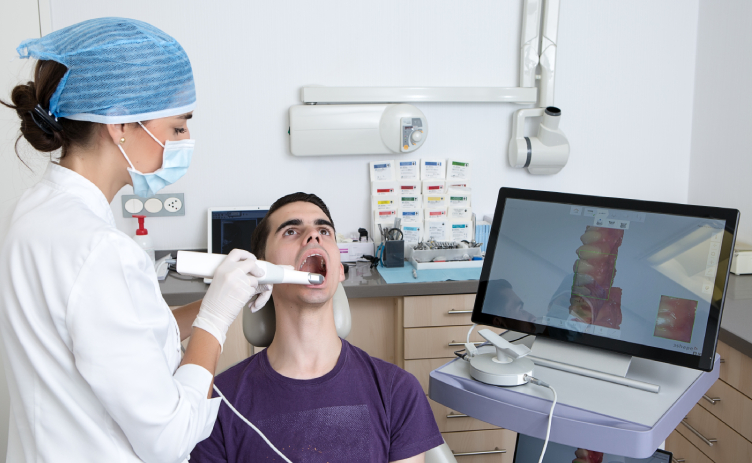
Step 4: Advanced Screening Tools (If Needed)
Some dental clinics use modern technology for enhanced detection, including:
- Oral fluorescence devices (highlight abnormal tissue)
- High-resolution magnification
- Digital imaging
If any suspicious changes are found, you’ll be guided through the next steps, which may include specialist evaluation or biopsy.
How Lifestyle Affects Your Oral Cancer Risk
Higher oral cancer risk habits
- Tobacco and vaping
- Excessive alcohol
- Chronic sun exposure
- Poor oral hygiene
- Diets low in fruits and vegetables
- Chronic mouth irritation
- Weakened immune system
Healthier habits that reduce risk
- Maintain strong oral hygiene
- Visit your dentist regularly
- Wear SPF lip balm outdoors
- Limit tobacco and alcohol
- Stay hydrated
- Choose a diet rich in vitamins and antioxidants
How Often Should You Get an Oral Cancer Screening?
Most adults should have an oral cancer screening every 6 months as part of their routine dental checkup.
You may need more frequent screenings if you:
- Have risk factors
- Notice tissue changes
- Have persistent mouth sores
- Use tobacco or alcohol regularly.
- Have a previous history of oral lesions.
Your dentist will recommend the right schedule based on your oral health needs.
Early Detection Is Preventive Care at Its Best
An oral cancer screening is a simple, proactive step to protect your health. It helps find small issues early, when they are easiest to treat.
Screening helps you:
- Identify early changes
- Reduce the risk of late-stage diagnosis.
- Catch pre-cancerous lesions early.
- Improve treatment outcomes
- Avoid complex surgeries and complications.
- Feel confident about your oral health.
Don’t Wait for a Warning Sign, Be Proactive
Oral cancer can be dangerous because it’s often detected late. A gentle, routine screening enables you to be proactive, allowing you to stay protected and informed.
If you’re due for your next screening or want expert guidance tailored to your oral health, schedule your oral cancer screening in Dubai at your trusted dental clinic in the region.