What to Eat (and Avoid) After Teeth Whitening for Long-Lasting Results
Your teeth are more vulnerable right after whitening treatment, making diet one of the most important factors in maintaining your bright smile.
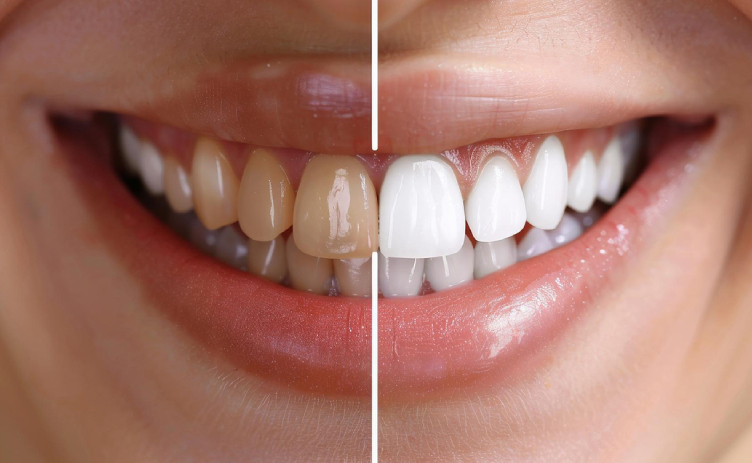
Why Your Diet Matters After Whitening
What to Eat (Right) After Teeth Whitening
Choosing the right foods after teeth whitening can protect your teeth from staining and reduce sensitivity. Stick to light-colored, gentle foods that won’t stain or irritate sensitive teeth.
Recommended Foods to Preserve Your Smile’s Brightness:
- Dairy products (milk, yogurt, cheese) – calcium-rich and gentle on teeth.
- Lean proteins (chicken, turkey, tofu, white fish) – high in protein, low in staining risk.
- Rice, pasta, potatoes – filling and safe choices to safeguard the newly done teeth whitening.
- Bananas, pears, apples (peeled) – light-colored fruits that are safe post-treatment.
- Cauliflower and other pale veggies – nutritious and whitening-friendly.
- Eggs (scrambled or boiled) – protein-rich, soft, and tooth-friendly.
👉 Tip: Choose soft foods if you feel whitening sensitivity, as they are easier to chew.
Foods to Avoid After Whitening
Certain foods and beverages can cause staining or increase sensitivity, especially during the first 48 hours following your whitening treatment.
Dark-colored or acidic foods and drinks are the main culprits for post-treatment stains.
Avoid These for At Least 48 Hours to Maintain Best Results & Minimize Discomfort After Teeth Whitening:
- Coffee, tea, and similar beverages – major staining beverages.
- Dark sauces (soy sauce, tomato sauce, curry) – can leave stubborn marks.
- Berries and pomegranates – healthy but deeply pigmented.
- Cola and coloured sodas – both staining and acidic.
- Chocolate – dark pigments can discolor freshly whitened teeth.
- Acidic citrus fruits – may increase sensitivity.
- Beetroot, spinach, kale – high in staining potential despite being nutritious.
👉 Rule of thumb: If it can stain a white T-shirt, it can stain your teeth right after whitening.
Managing Whitening Sensitivity
It’s common to experience temporary sensitivity after whitening. Here’s how to ease it:
- Use a sensitive toothpaste with fluoride.
- Avoid very hot or very cold foods for the first day.
- Drink room-temperature water instead of iced or hot drinks.
- Consider a soft-bristled toothbrush to minimize irritation.
How to Maintain Whitening Results Long-Term
So, you don’t have to avoid your favourite food forever.
However, there are certain precautions that we recommend for long-lasting white teeth:
- Drink dark liquids (cold coffee, iced tea, or soft drinks) through a straw to reduce contact.
- Rinse with water after eating or drinking pigmented foods.
- Stick to a balanced diet with plenty of crunchy, light-colored fruits and veggies, salad etc., that naturally clean teeth.
Finally, schedule regular cleanings and checkups with your dentist.
Final Thought
Teeth whitening is an investment in your confidence. By following the post-whitening diet and avoiding high-risk foods for the first couple of days, you can protect your teeth from stains and sensitivity.
A few simple dietary choices can help you maintain that radiant smile for months to come.